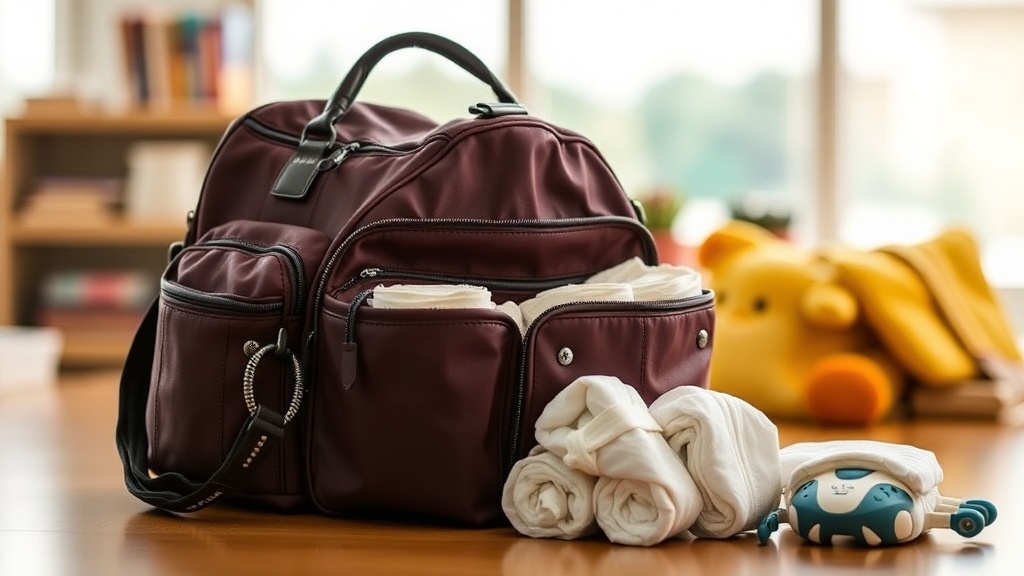
Building a Diaper Bag Without Breaking the Bank

The average new parent spends over $500 on a single high-end designer diaper bag before their baby even arrives. This post breaks down how to build a highly functional gear system using budget-friendly alternatives and smart shopping strategies. You don't need a luxury brand to stay organized when you're out in the wild with a newborn.
How much does a good diaper bag cost?
A functional, high-quality diaper bag can cost anywhere from $30 to $150 depending on whether you buy new or secondhand. While brands like Skip Hop or Petunia Pickle Bottom often retail for well over $100, you can find similar utility in much cheaper options. The goal isn't to spend a fortune; it's to ensure you aren't digging through a bottomless pit for a pacifier while your kid is melting down in the middle of a Target aisle.
Most parents make the mistake of buying a "diaper bag" specifically. I suggest looking at high-quality backpacks or even a sturdy canvas tote instead. A standard North Face backpack or a simple Herschel bag often provides better organization and durability than a bag marketed solely as "baby gear."
Think about the weight. You'll be carrying heavy bottles, extra clothes, and probably a few heavy books. A bag with ergonomic straps is a non-negotiable. If the straps are thin, you'll regret it by the time the baby is six months old and everything weighs twice as much as it does now.
Here is a breakdown of the three main tiers of gear you'll encounter:
| Tier | Price Range | Typical Brands | The Reality |
|---|---|---|---|
| Luxury | $200+ | Designer Leather/High-End Boutique | Looks great in photos, but often lacks practical pockets. |
| Mid-Range | $60 - $150 | Skip Hop, Itzy Ritzy | Reliable, dedicated compartments, decent durability. |
| Budget/Utility | $20 - $50 | Amazon Basics, Target (Cloud Island), Backpacks | Maximum utility, zero ego, easy to replace if lost. |
What are the best diaper bag essentials for beginners?
The best essentials are the items that prevent a "code red" situation during a diaper change or feeding.
You don't need a dozen gadgets. You need a few reliable items that actually work. I've found that most "smart" gadgets—like heated wipes dispensers or electronic bottle warmers—are just more things to carry and eventually break. Stick to the basics. You want items that are easy to clean and easy to find.
The "Must-Have" Checklist:
- Diapers and Wipes: Always pack two more than you think you need.
- Changing Pad: A portable, wipeable pad is better than a cloth one.
- Change of Clothes: One for the baby, and one spare shirt for you (trust me, spills happen).
- Ziploc Bags: These are the unsung heroes for soiled clothes or half-eaten snacks.
- Sanitizer/Hand Wipes: For the surfaces and your own hands.
- Feeding Supplies: A few bottles or even just a dedicated snack container.
If you want to get ahead of the game, you might want to check out CDC resources for infant care to see what basic hygiene-related items are most recommended for newborn health. Knowing the basics of hygiene helps you decide what's actually worth carrying.
Don't forget the tech. A small, portable power bank for your phone is a lifesaver when you're out for long stretches. If your phone dies while you're trying to use a GPS or call a sitter, you're in trouble.
How do you organize a diaper bag effectively?
Effective organization relies on using small, clear pouches to categorize your gear by function.
Stop throwing loose items into one large compartment. It’s a mess waiting to happen. Instead, use the "pouch system." This is how you keep your sanity. If you need a pacifier, you grab the "Pacifier Pouch." If you need a diaper, you grab the "Diaper Pouch." It keeps the bulk of the items separated and prevents the "bottom of the bag" hunt.
I personally use a small Stoney Clover-style pouch for small items like hair ties and lip balm, and a larger, waterproof pouch for dirty clothes. This way, even if a bottle leaks, the rest of your bag stays dry. It's a small habit that saves a lot of stress.
A Pro Tip for Organization:
- Heavy items at the bottom: Bottles and heavy books go near the back/center to keep the bag stable.
- Frequent items at the top: Wipes, pacifiers, and your phone should be in easy-access pockets.
- The "Quick Access" Zone: Keep one external pocket for things you need without unzipping the main compartment (like keys or a phone).
If you're still feeling overwhelmed by the logistics of new parenthood, you might find it helpful to review essential skills for new dads. Organization is a skill, and it applies to much more than just your gear.
One thing to consider is the "one-handed test." Can you open the bag and grab a wipe with only one hand while holding a squirming baby with the other? If the answer is no, your organization system needs work. Most of our lives with a newborn are one-handed. It's a reality we all face.
You can also find great advice on standard infant safety and gear through Wikipedia's infant care entries to understand the broader context of newborn needs. This helps you decide what is a "need" versus a "want."
A common mistake is over-packing. You'll feel the urge to pack every possible scenario, but a heavy bag will kill your back. Start light. You can always add more, but it's much harder to carry less when you're already exhausted.
The beauty of the budget approach is that it's modular. You can start with a simple backpack and add specialized pouches as you learn your baby's rhythm. You don't have to buy the whole "system" at once. In fact, I'd advise against it. Wait and see what you actually use before investing in more specialized gear.
Watch your weight. If you find yourself constantly adjusting the straps, you've packed too much. A well-organized bag should feel like a part of you, not a burden you're dragging behind you.