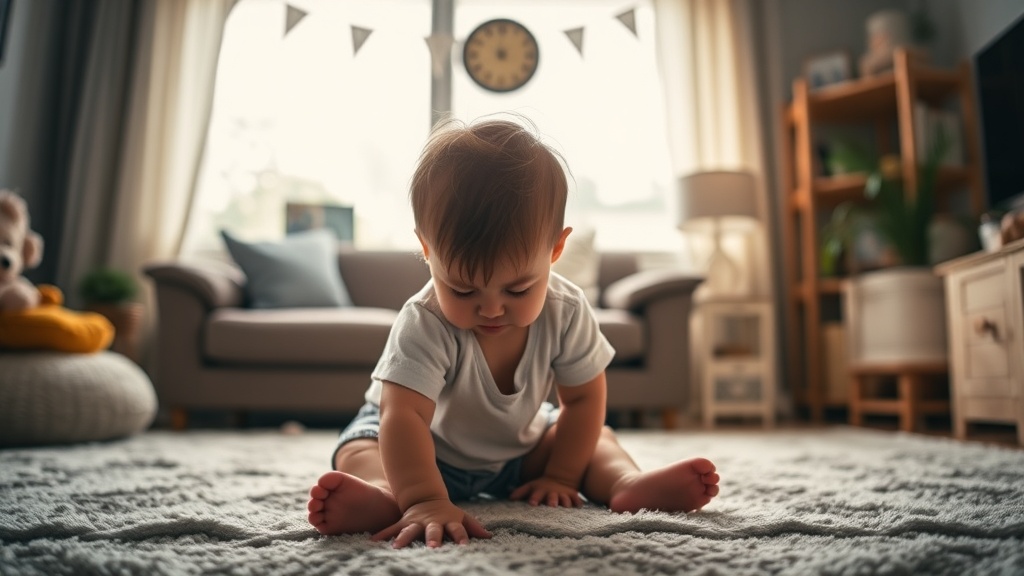
Securing Your Home Environment Before Your Infant Starts Moving

According to the Centers for Disease Control and Prevention, falls represent the single most common cause of non-fatal injuries for children under one—accounting for over fifty percent of injury-related visits to emergency departments in that age group. It’s a sobering statistic that should put every new father on high alert before the crawling phase begins. This post covers the specific, practical steps you can take to secure your home environment before your little one starts exploring every corner of your Nashville house. It matters because your home should be a space for discovery and growth, not a collection of tripwires and hidden hazards. You don't need a massive budget to make your house safe; you just need a plan and a bit of a perspective shift.
The shift in perspective is the most important part of the whole process. You’ve probably spent years looking at your home from eye level, noticing the paint color or the way the light hits the floor. Now, you need to see the world from eighteen inches up. From that height, a forgotten coffee mug on a side table is a potential scalding hazard, and the dust bunnies under the dresser are interesting (but dangerous) snacks. It’s not just about buying plastic gadgets from the store. It’s about understanding the curiosity of a baby who has just figured out how to move. Seeing the world from their level is the first step in identifying what needs to change in your daily habits.
Creating a "Safe Zone" or a "Yes Space" can save your sanity during those long afternoons. This is a designated area where everything is one hundred percent baby-proofed, allowing your child to explore without you having to say "no" every thirty seconds. If you can secure one room—usually the living room or a dedicated playroom—it gives you a place to put the baby down where they can't get into trouble while you're busy. It's a huge relief for a tired dad. You can start with a playpen for the early days, but eventually, the entire room needs to be cleared of any threats as their mobility increases.
Where should you start your baby-proofing efforts for maximum impact?
Most experts suggest starting in the rooms where your family spends the most time. For most people, that’s the living room and the kitchen. You don't have to do the entire house in one weekend. Break it down into zones. The kitchen is full of sharp objects and chemicals, while the living room has furniture that can tip and outlets that are at the perfect height for curious fingers. By prioritizing these areas, you handle the biggest risks first. Don't worry about the guest bedroom upstairs until the baby is actually walking and has access to it. It's about being smart with your time and energy.
In the kitchen, your focus should be on the lower cabinets. If you store cleaning supplies under the sink, move them to a high shelf immediately. Even if you have a lock on that cabinet, it’s better to remove the danger entirely. Use latches on any drawer that contains knives, heavy pots, or breakable glassware. Also, be mindful of the stove. Turning pot handles toward the back of the stove is a habit you should start today, even if your baby is still in a bassinet. It’s about building the muscle memory now so it’s second nature when they are reaching for everything in sight. You'd be surprised how fast they can move when you're not looking.
The bathroom is another high-risk area that requires a different set of rules. Water temperature is a big one; check your water heater and make sure it’s set to 120 degrees Fahrenheit or lower to prevent scalding during bath time. Toilet seat locks might seem like a joke until you realize how top-heavy a toddler is and how interesting the water in the bowl looks to them. Then there are the medications. Every pill bottle, even the over-the-counter vitamins, needs to be in a locked cabinet high up. Never leave a baby alone in the bathroom for any reason, even for a second, as accidents can happen in an instant.
What are the most common hidden hazards in a standard living room?
Living rooms are full of things we take for granted. Power strips and tangled cords are like magnets for babies. They love the texture, the colors, and the way they can pull on them. You can buy cord hider boxes that keep everything tucked away and out of sight. Another hidden danger is the cord on your window blinds. These are a significant strangulation risk that many parents overlook. The U.S. Consumer Product Safety Commission recommends using cordless window coverings whenever possible. If you can't replace them, make sure the cords are tied up high where no little hand can reach them.
Then there’s the "Choke Tube Test." This is a simple DIY trick every dad should use to audit the floor. Take an empty toilet paper roll. If an object can fit through that tube, it’s a choking hazard and should be kept off the floor and away from lower shelves. This includes coins, small toy parts, and even some types of dry pet food. You’d be surprised at what you find when you’re actually looking for it from a baby's perspective. It’s a quick way to check your floors every evening before the baby wakes up and starts their daily exploration of the house.
Electricity is the other big concern in the main living space. Standard outlet covers—the little plastic plugs—are better than nothing, but some kids figure out how to pull them out rather quickly. A better option is the sliding outlet plates that automatically snap shut when a cord is removed. They look cleaner and they are much harder for a child to bypass. Plus, you won't have a bunch of loose plastic plugs lying around the floor (which are also choking hazards). It’s a small investment that makes a big difference in the long-term safety of your home.
How can you secure heavy furniture without drilling into every wall?
Furniture tip-overs are a terrifying reality for new parents. According to data from Safe Kids Worldwide, a child is treated in an emergency department for a furniture or TV tip-over every hour. Most people think their heavy dresser is stable, but when a toddler pulls out all the drawers to use them as a ladder, the center of gravity shifts and the whole thing can come down. The best way to prevent this is by using anti-tip straps or brackets. If you are renting and absolutely cannot drill into the walls, you have to be strategic about your layout.
Strategic furniture placement can help, though it isn't a perfect replacement for anchoring. You can move heavy items to the bottom drawers to keep the base heavy and stable. You can also place heavy furniture behind other barriers or in corners where it’s less likely to be climbed. However, you should really try to use the straps whenever possible. Many modern apartment complexes allow for small holes for safety equipment, and the cost of patching a hole is nothing compared to the risk of a tip-over injury. If you have a flat-screen TV on a stand, that needs to be anchored too, or better yet, mounted securely to the wall.
Window safety is more than just the cords. As babies grow into toddlers, they start to climb on chairs and couches. If those pieces of furniture are near a window, the child could easily lean against a screen and fall out. Screens are designed to keep bugs out, not to keep children in. Make sure your furniture is pulled away from windows, or install window guards that limit how far the window can open. It’s a detail that many people miss because they think the screen provides enough of a barrier. A little bit of planning goes a long way here.
Don't forget about your plants and your pets. Many common houseplants, like lilies or certain types of ivy, are actually toxic if a baby decides to have a snack. Move all plants to high shelves or hanging baskets where they are out of reach. As for pets, even the gentlest dog can react poorly to a baby pulling on its ears or tail. Create a space where your pet can escape from the baby, and never leave them together unsupervised. It’s about protecting the pet just as much as it’s about protecting the child during these early years.
Baby-proofing is a moving target that changes as your child grows. What works when they are six months old won't be enough when they are eighteen months old. You have to keep re-evaluating your home as their skills and strength develop. One day they are just rolling over, and the next they are climbing the bookshelf like a professional athlete. Set a reminder on your phone to do a "safety sweep" once a month. It only takes ten minutes to check the latches, look for loose screws, and ensure the anchors are still tight. Staying ahead of their development is the best way to keep them safe and sound.